Conveyor collision simulator
A standalone conveyor simulation module with collision detection, written in Python — built to reason about line behaviour outside the main model.
Toronto · Waterloo, ON
Mechanical, industrial-systems, and — reluctantly — software engineer;
plus a tinkerer who builds the things he designs.
By day I model warehouses and run discrete-event simulations. At the bench I 3D-print devices, cut light into lithophanes, wire up electronics, and sharpen knives for a small product line called SharpCraft.
About
I've worn about three engineering hats — mechanical first (JNTU), then industrial & systems (Georgia Tech). Most of my career has gone into making complex physical systems, like warehouses and production lines, predictable through simulation and data; building tools for those simulations quietly turned it into a software job too.
The electronics are older than all that — small DC circuits from taking toys apart as a kid, no manual, plus high-voltage AC work at Siemens (technically LV and MV). These days it's ESP32s in 3D-printed enclosures.
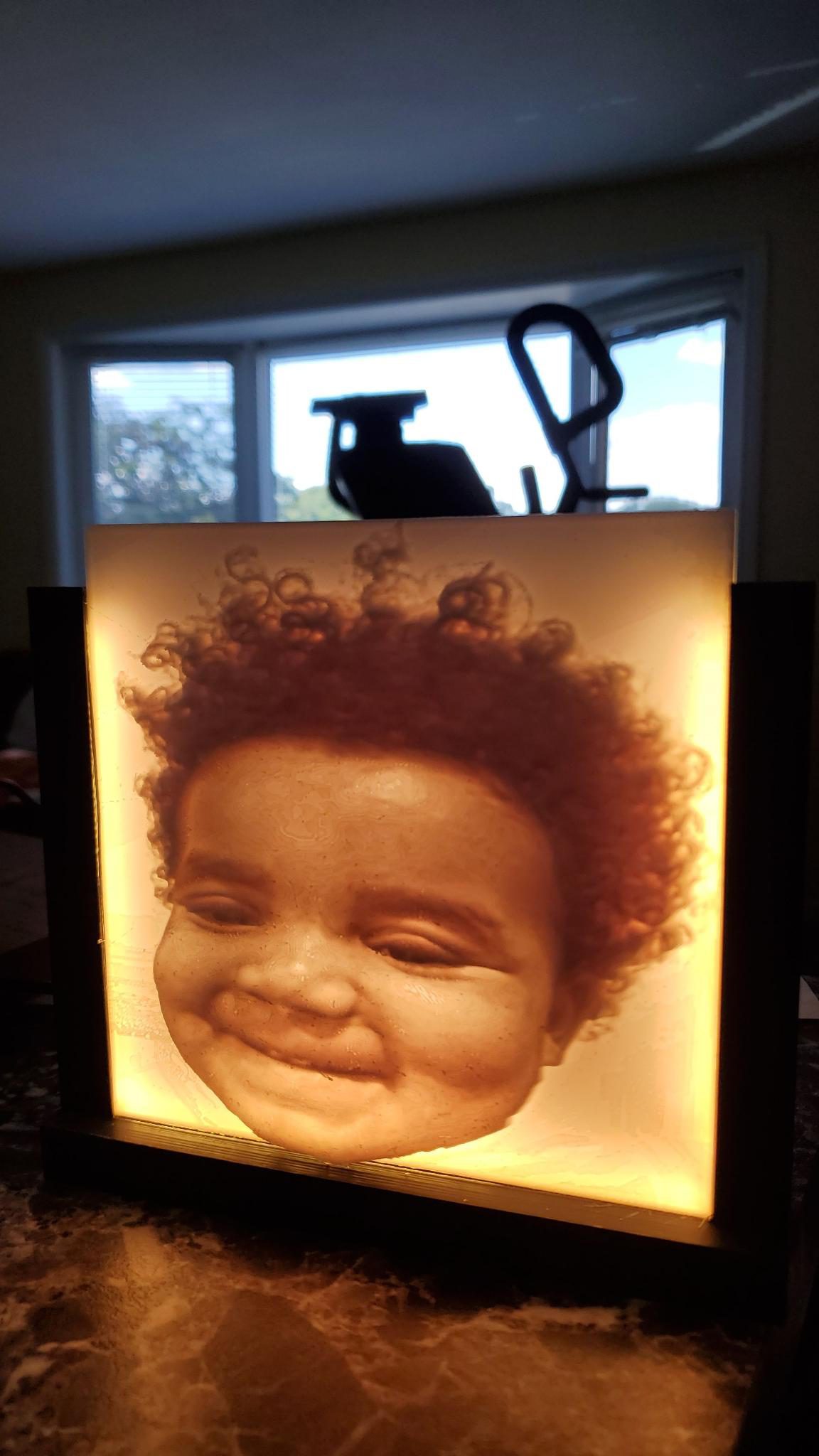
Since June 2025 the other half of my life has been just as full: a garage workshop with 3D printers, a laser cutter, a CNC router, and things I design on the computer and build by hand — shop tools that make everything else faster, a lithophane of a baby, one small product line.
The through-line is the same in all of it: take an idea, work out how it actually works, then make it real.
Engineering & Simulation
Discrete-event simulation, warehouse automation and data analysis across logistics and manufacturing. The pattern that kept repeating — and quietly became half the job — was this: when a process is worth understanding, it's worth building a tool for.
A standalone conveyor simulation module with collision detection, written in Python — built to reason about line behaviour outside the main model.
Tools that auto-generate simulation scenarios, apply them to AutoMod models, run them and produce reports — while managing processor and memory usage across many runs.
A custom 3D bin-packing / cubing algorithm for tote sizing — turning a pile of items into the smallest set of containers that actually fit.
Automated generation of HMI graphics with FOSS tools at Dennis Group — cutting what took hours down to minutes, and keeping it repeatable.
A tablet-deployable data-collection tool for line downtime with instant reporting — capturing the right numbers on the floor, in real time.
A tool to evaluate Little's Law for in-transit material estimation — a quick, defensible way to size WIP between stages.
That Siemens stretch is where the electrical side came from — localizing transmission equipment and running a type-testing lab (thermal, impulse, high-voltage AC — technically LV and MV — mechanical, water-ingress). It's also the origin of the "design it, then prove it works" habit.
Flagship software
A self-built "work engine" that runs entirely on two local GPUs. You hand a permanent Chief of Staff a piece of work; it plans the work into tasks in Atlas (an owned task tracker), executes each task through worker and independent reviewer agents on local models, delivers the result — and waits for your acceptance before moving on.
+ an independent Supervisor process holds a reserved model slot so it can monitor, report and — if needed — wind down or restart the harness without being taken down with it.
The Bench
Since June 2025. A garage full of machines and a backlog of ideas — most of it STLs, renders and photos from the shop.
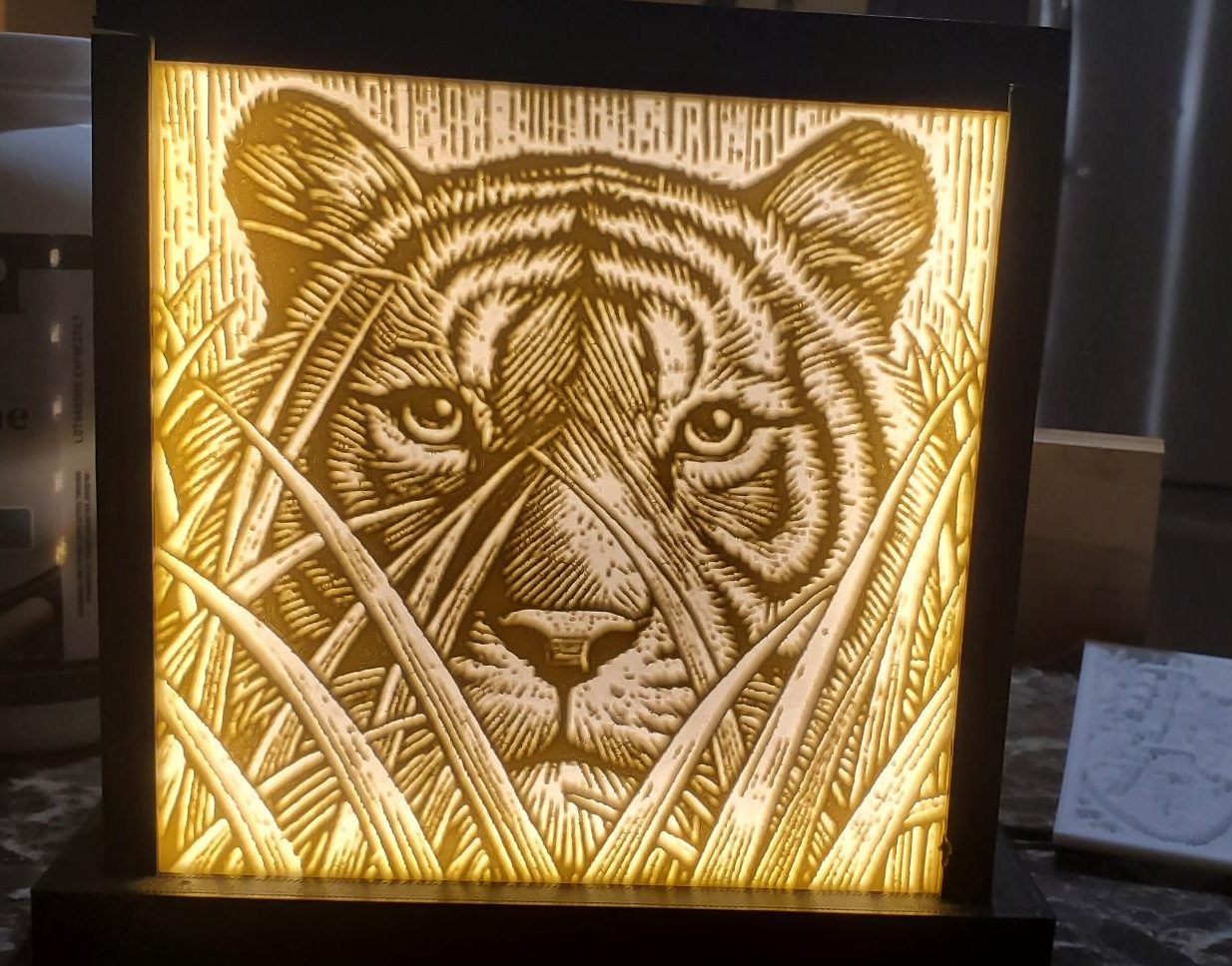
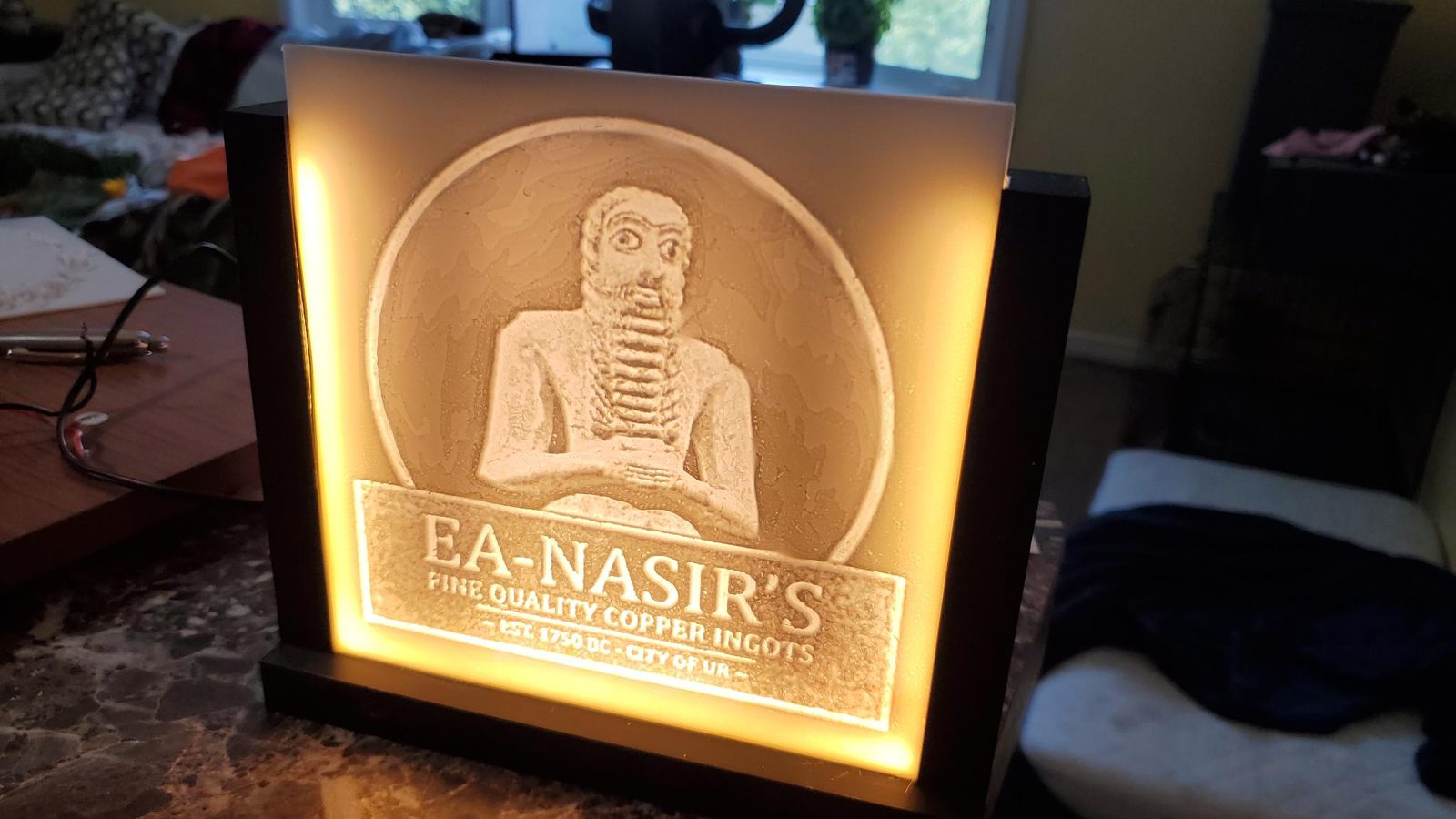
One photo in, a lamp out. Custom lithophane panels that turn pictures into warm, glowing art — printed, framed and lit.
Where it all gets made: FDM printers (including a large-format Kobra 2 Max), laser cutter, CNC router — and a bench that's always mid-project.
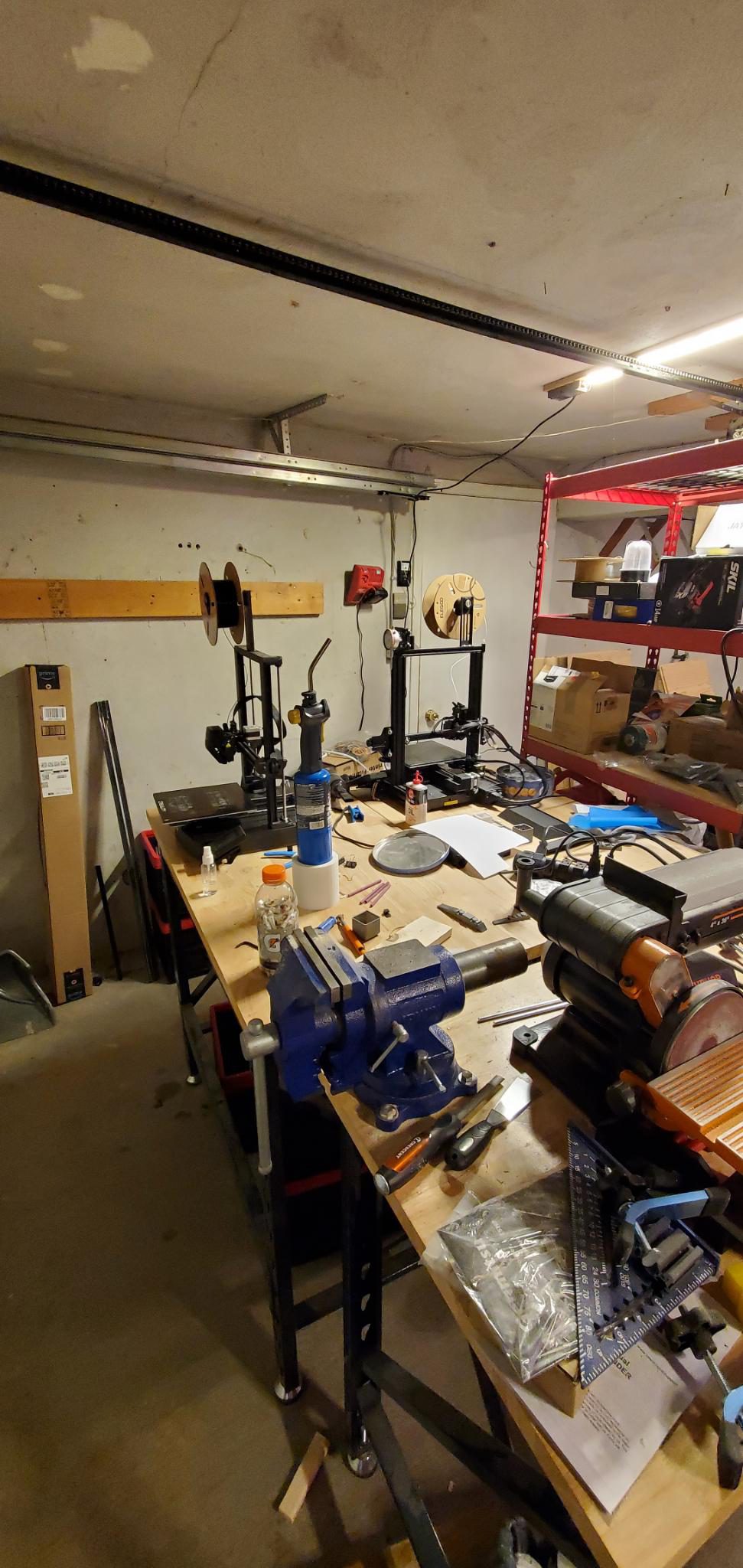
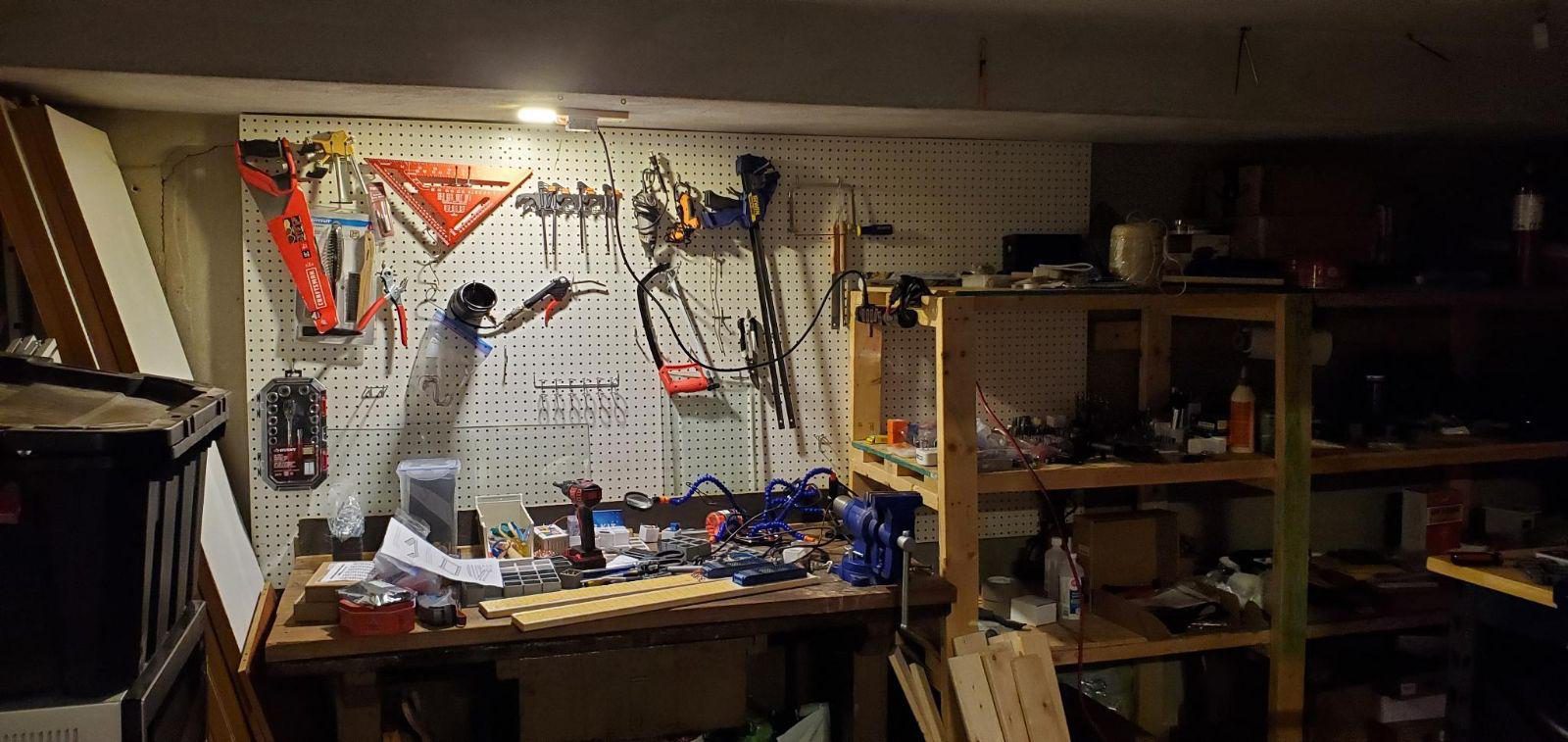
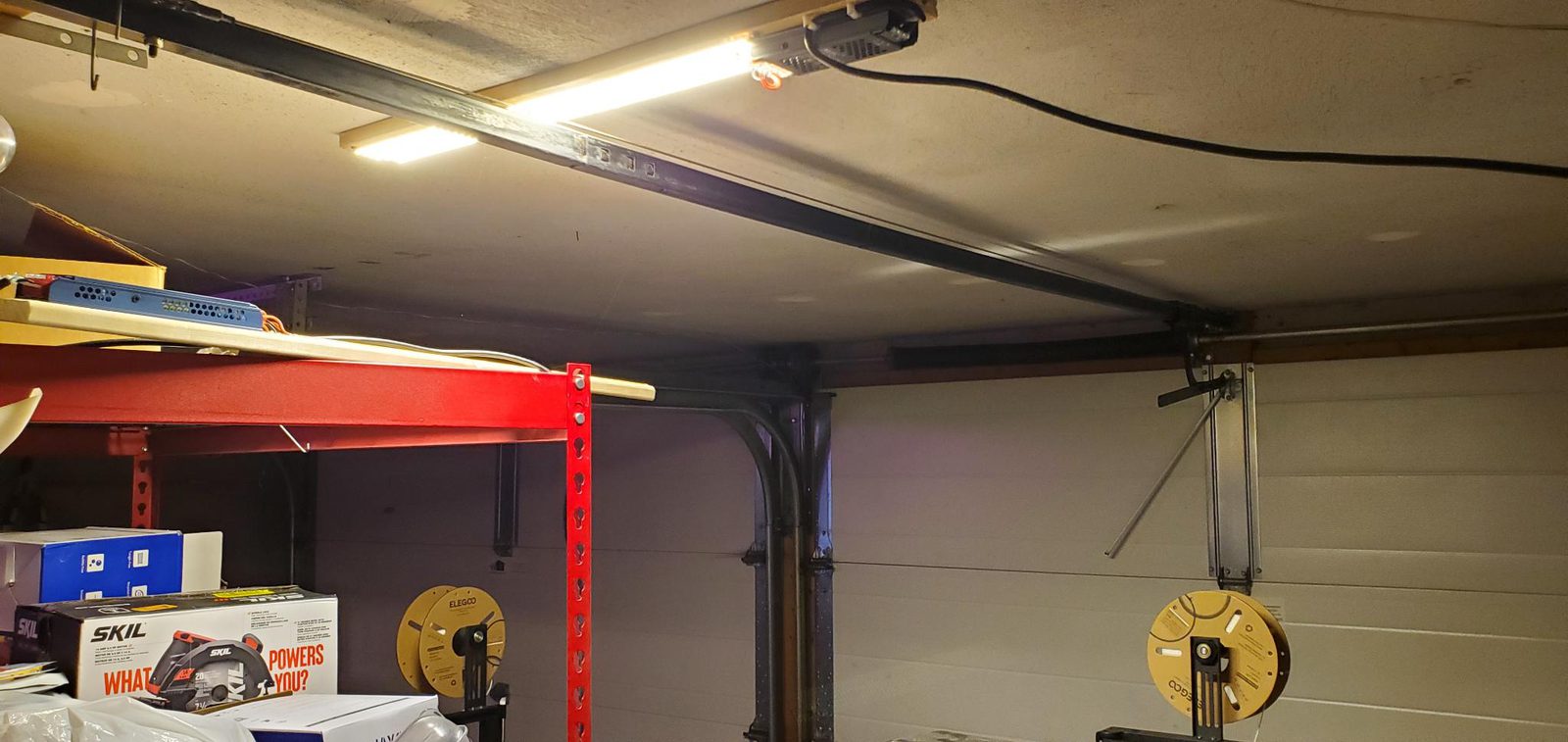
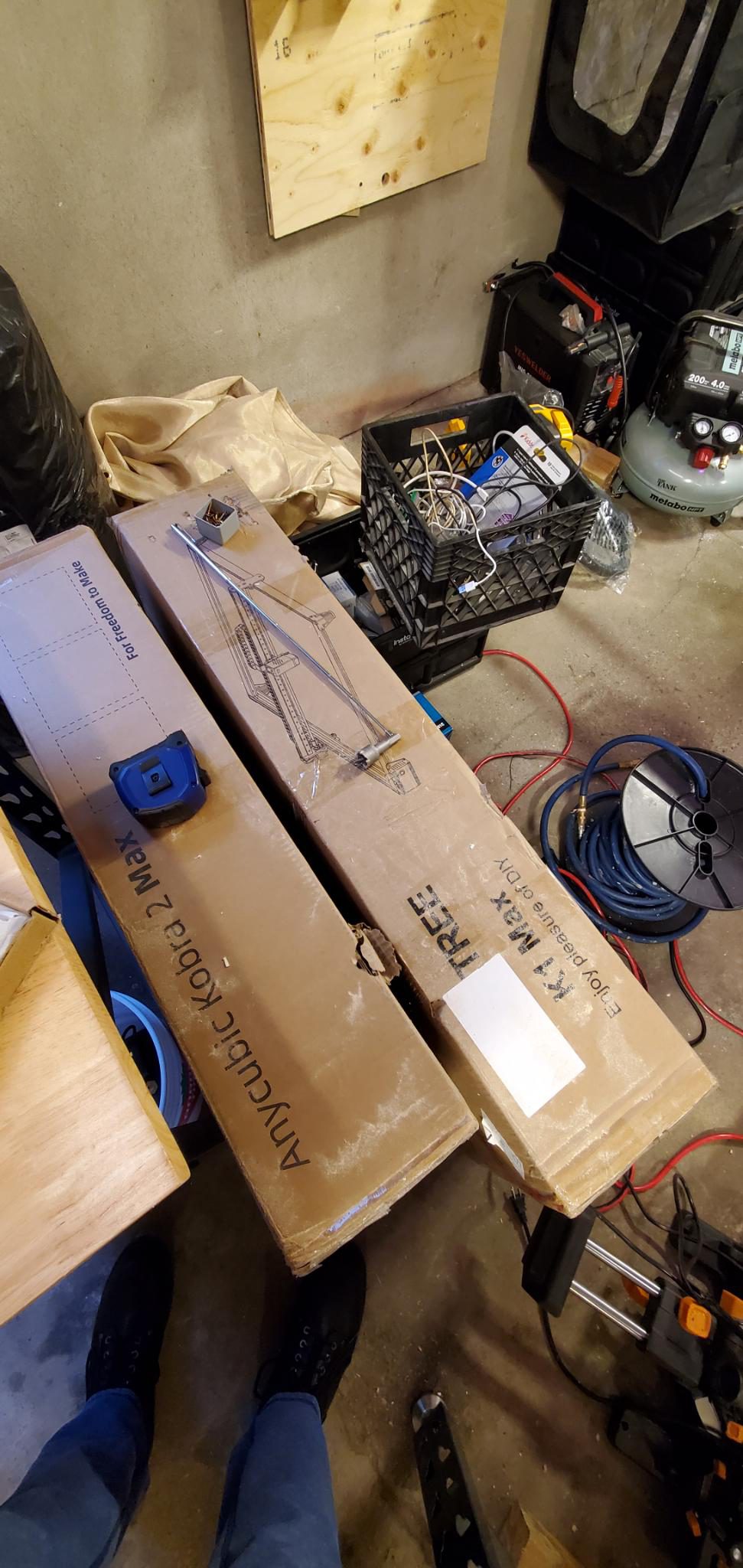
If I do something more than twice, I build a tool for it.
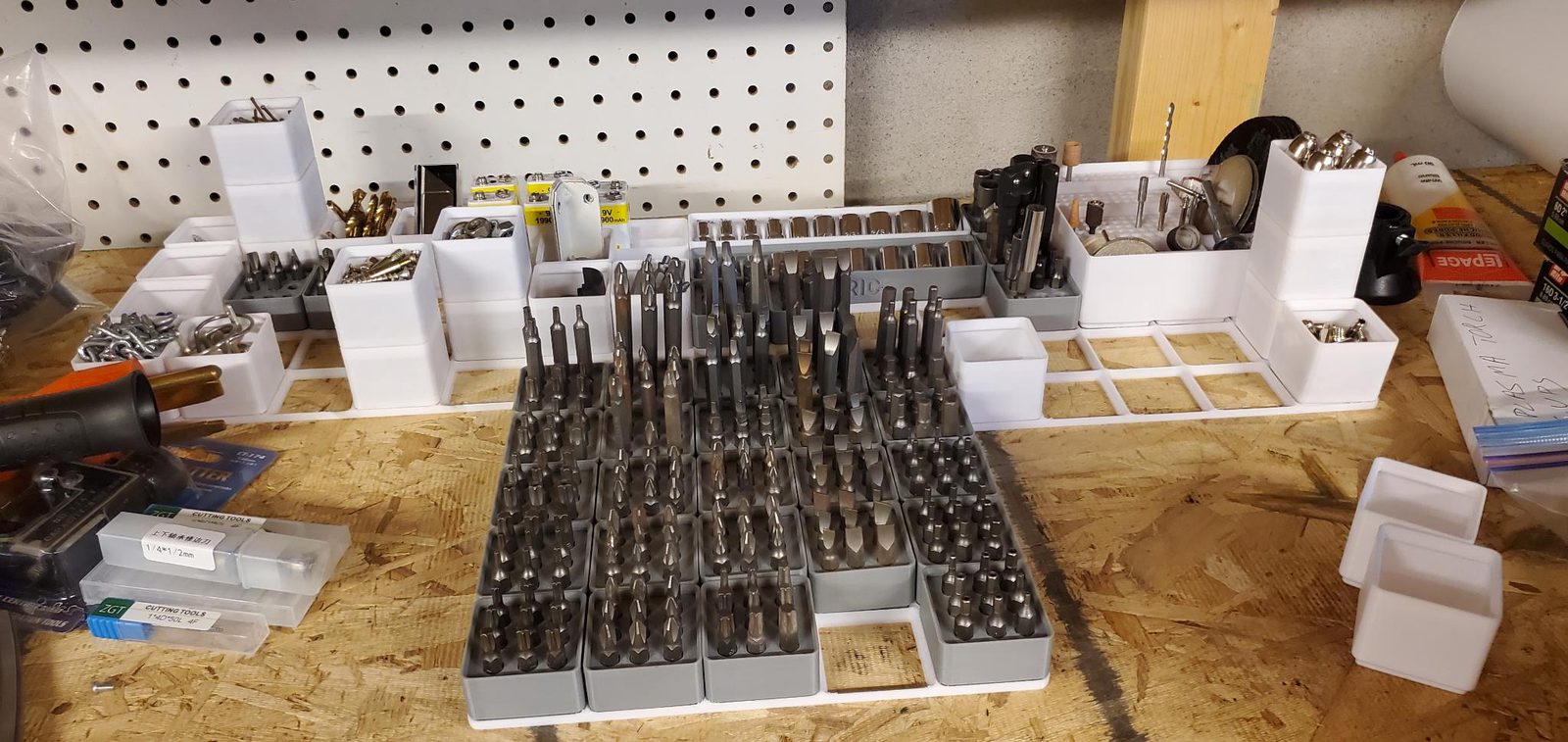
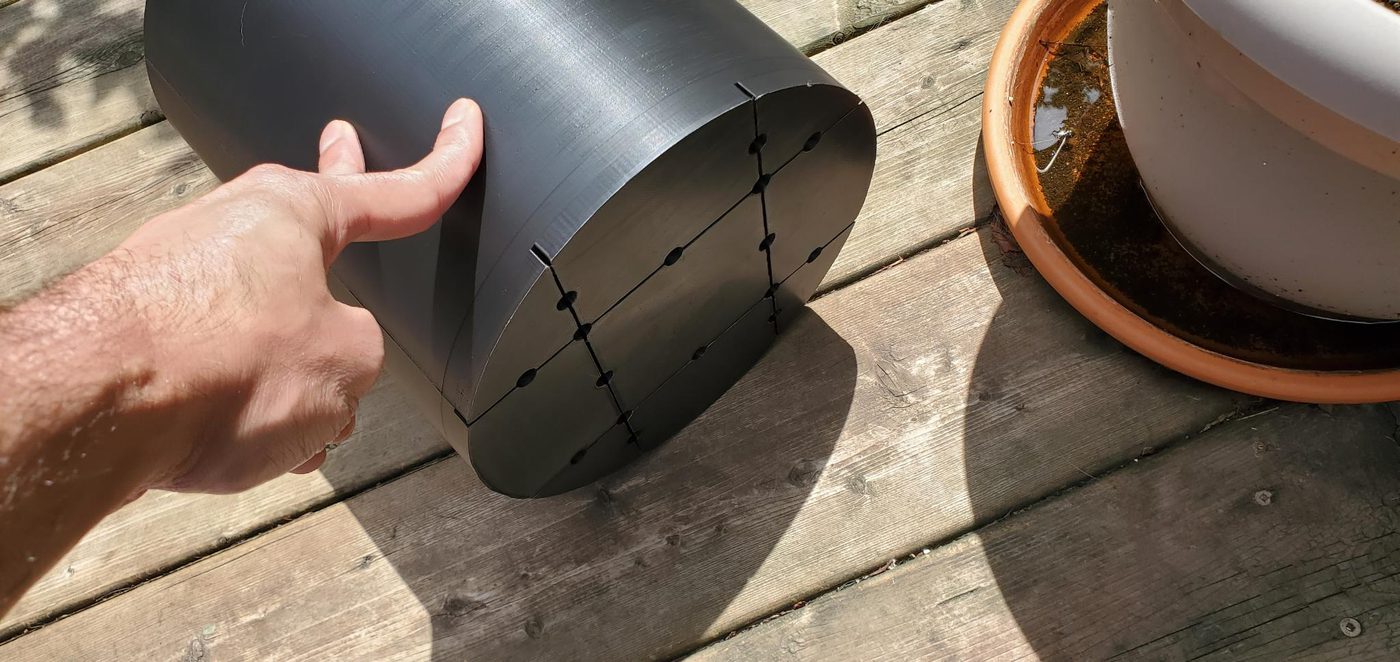
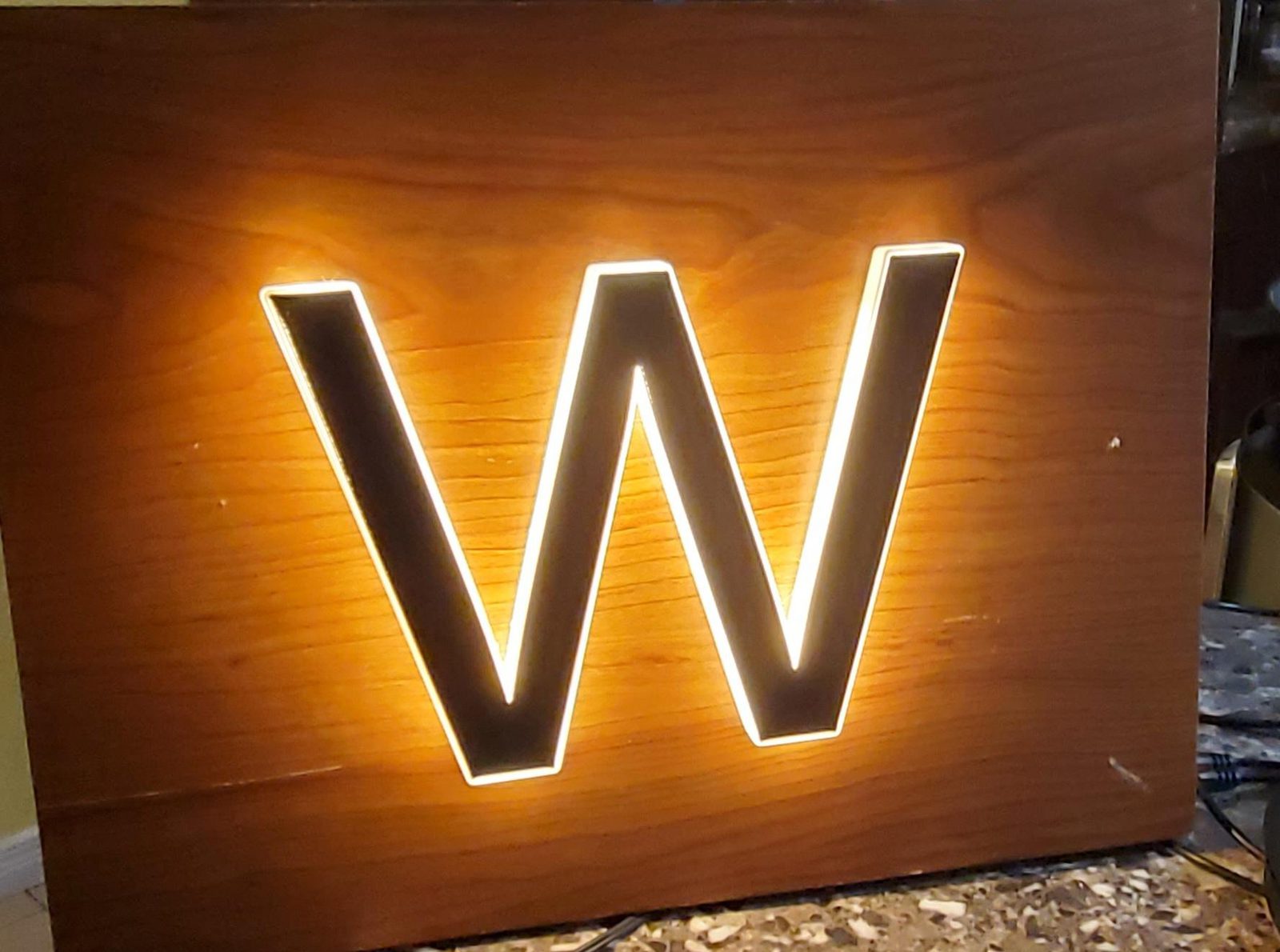
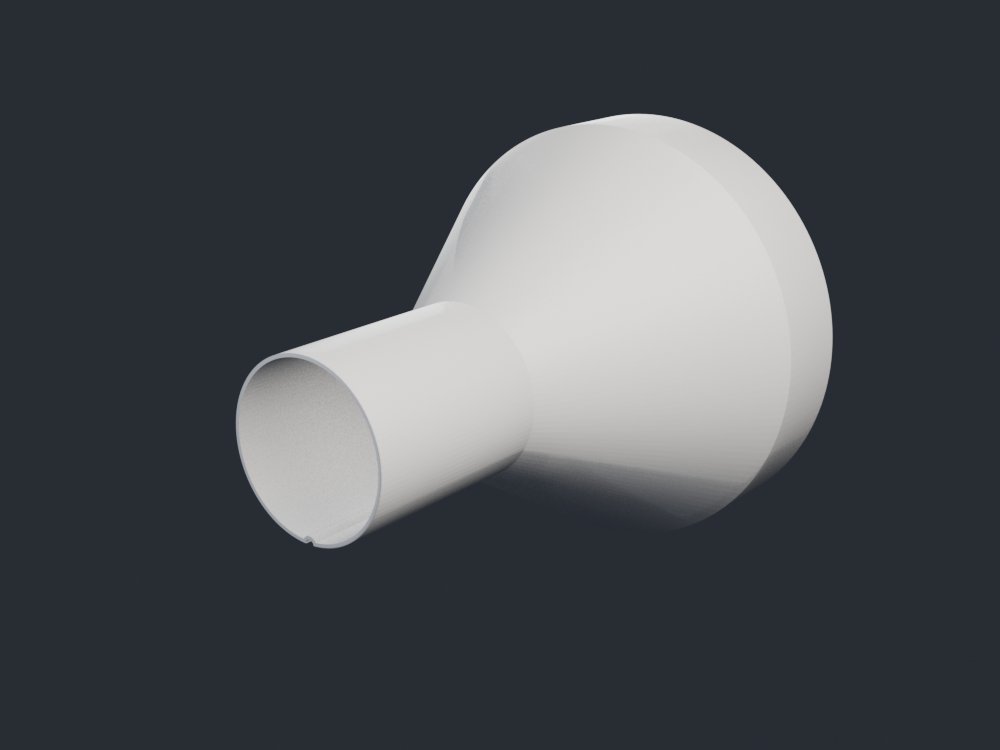
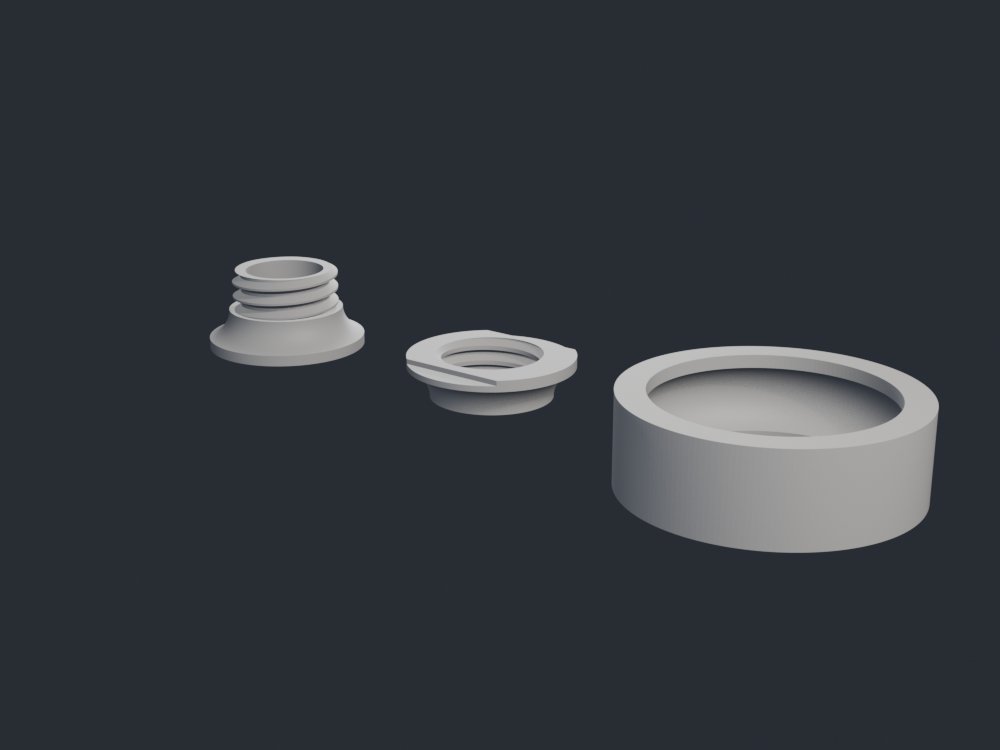
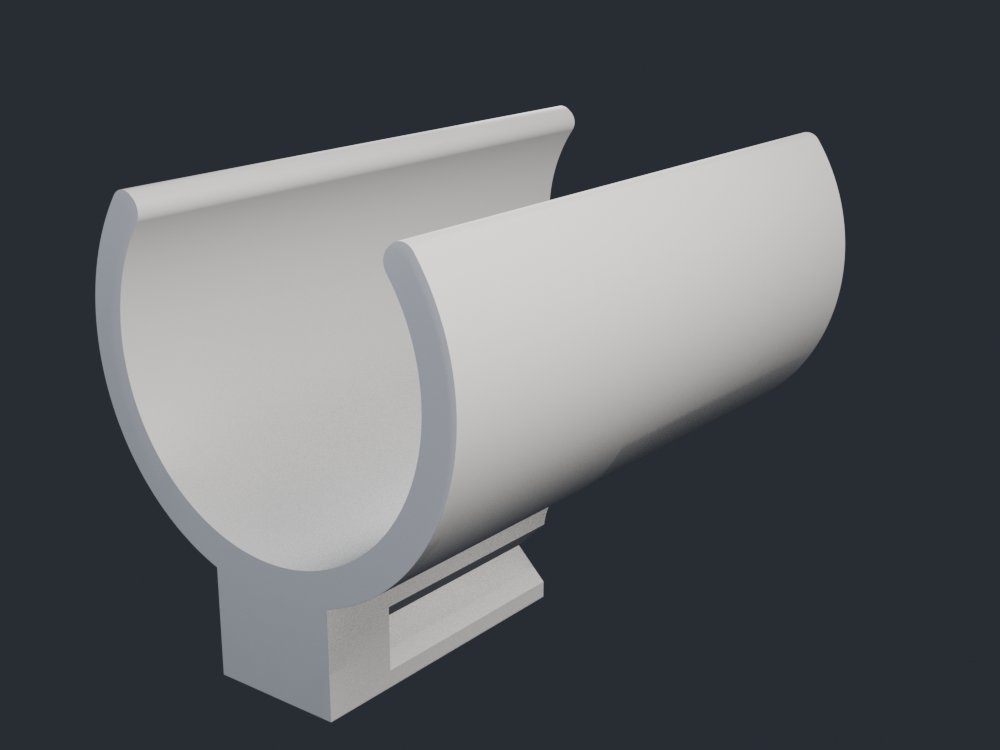
OC — designed from scratch, no outside reference. Each one started as a problem in the shop or at home and ended up on the printer; the renders below are straight from the CAD files.
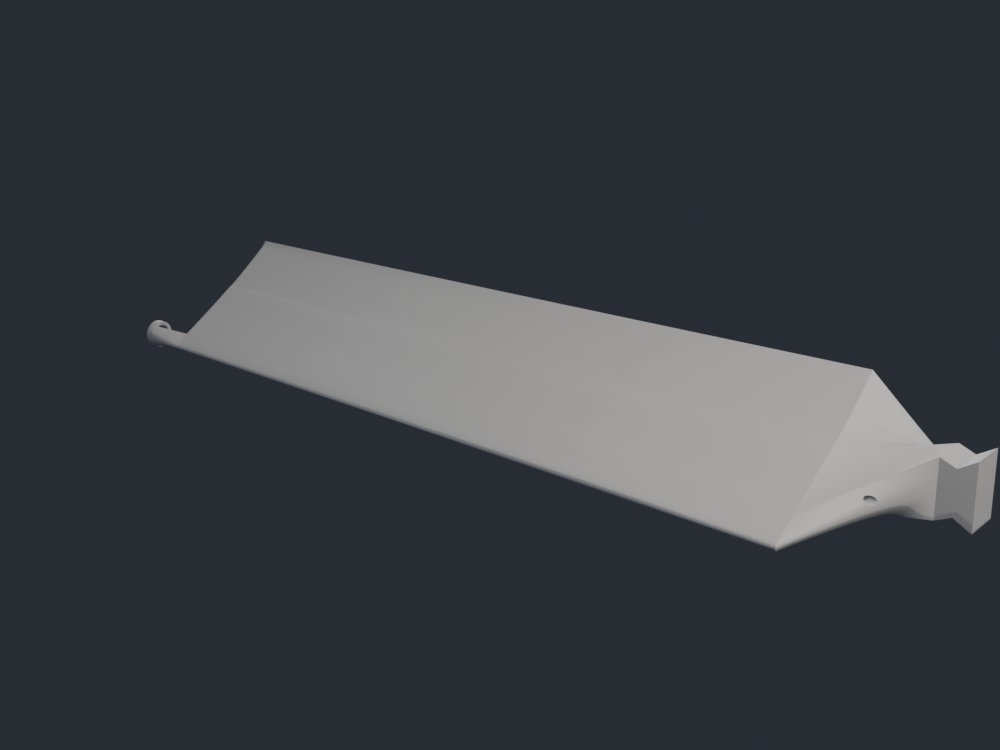
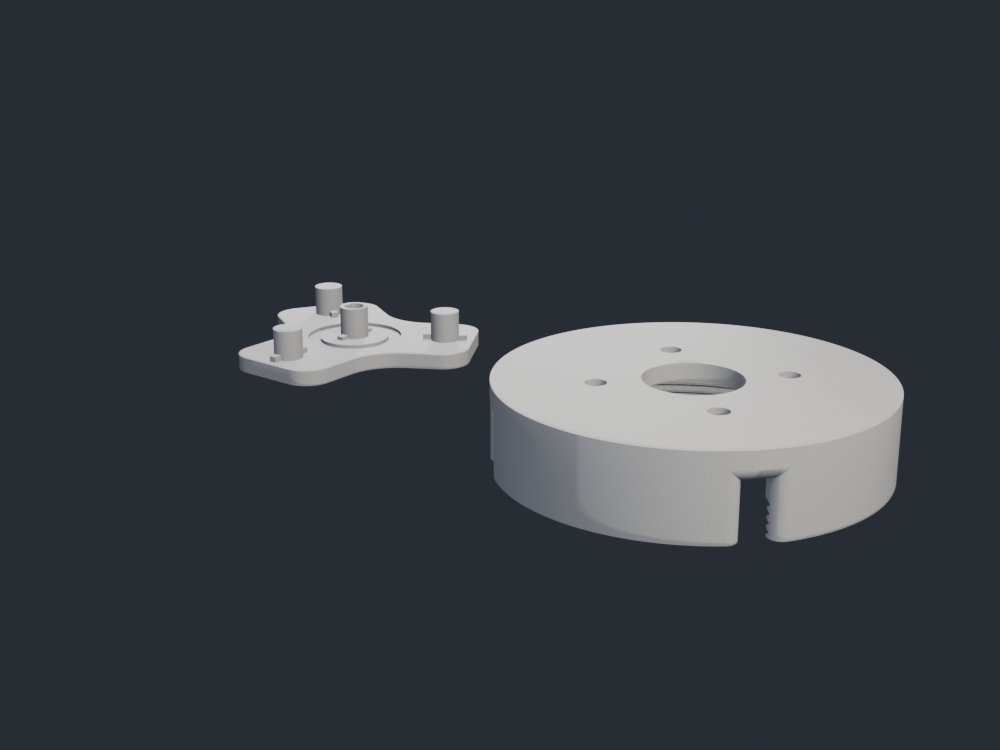
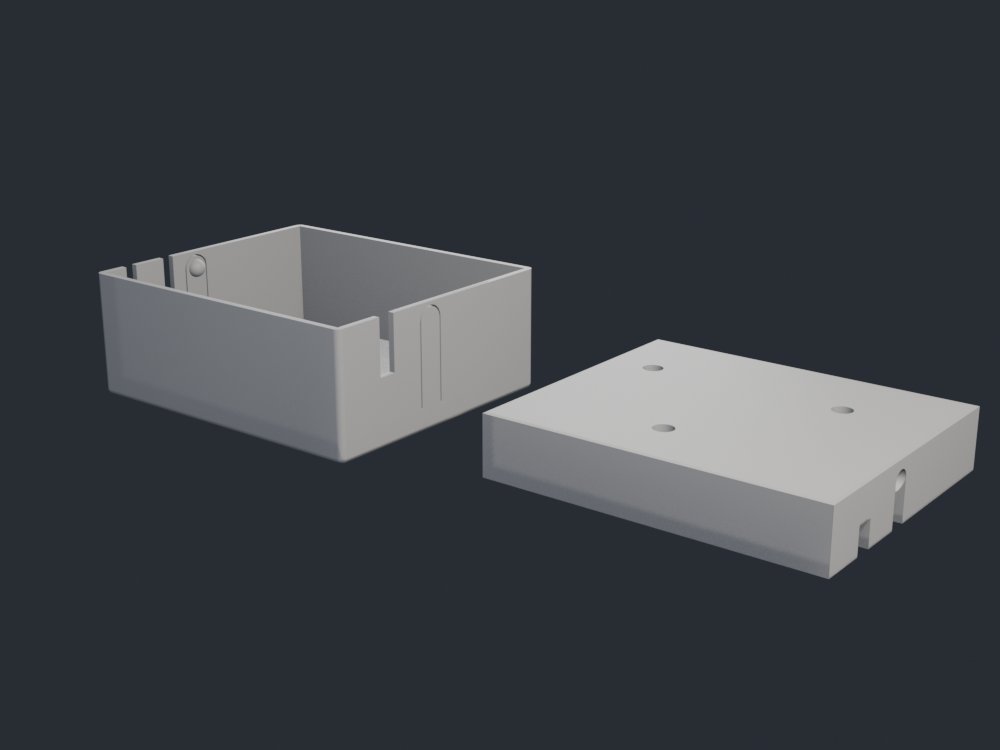
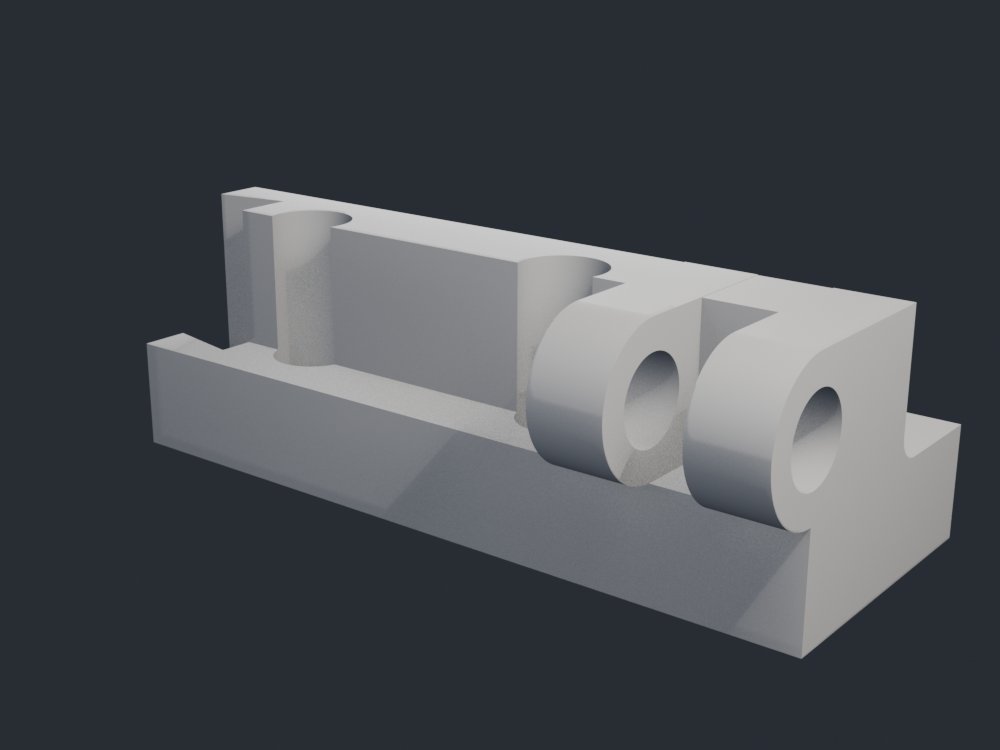
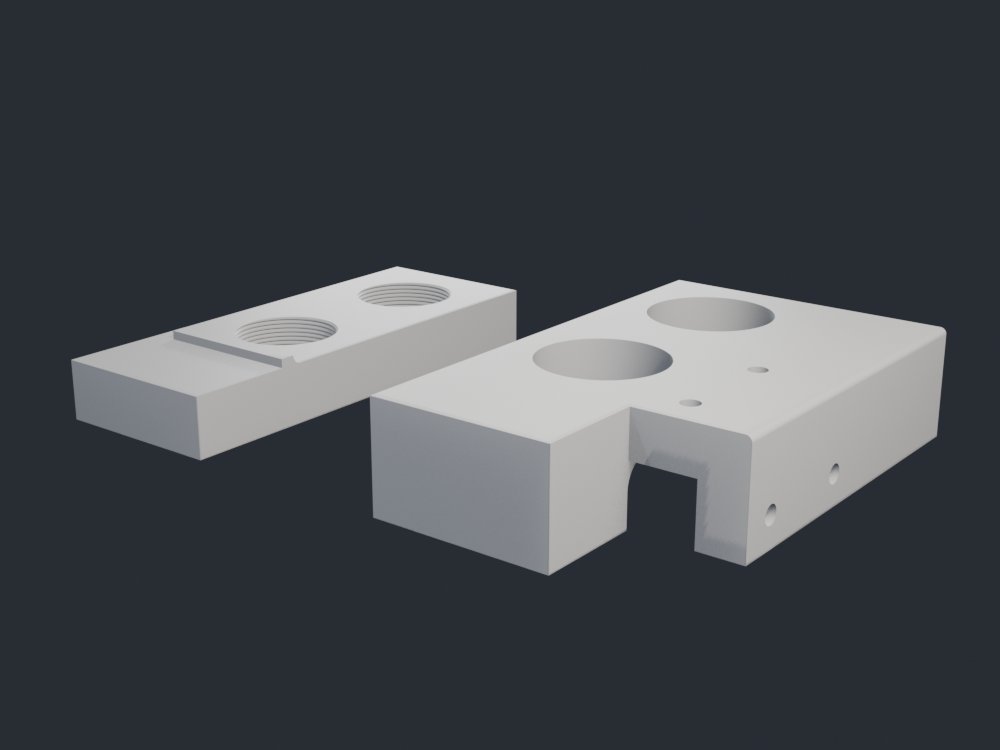
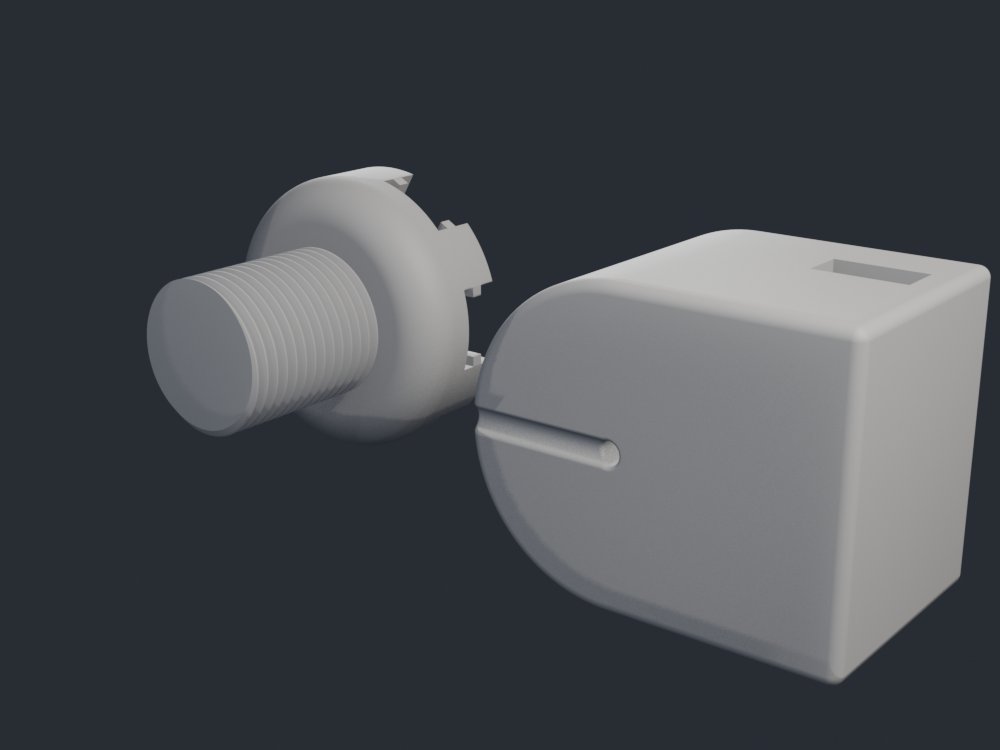
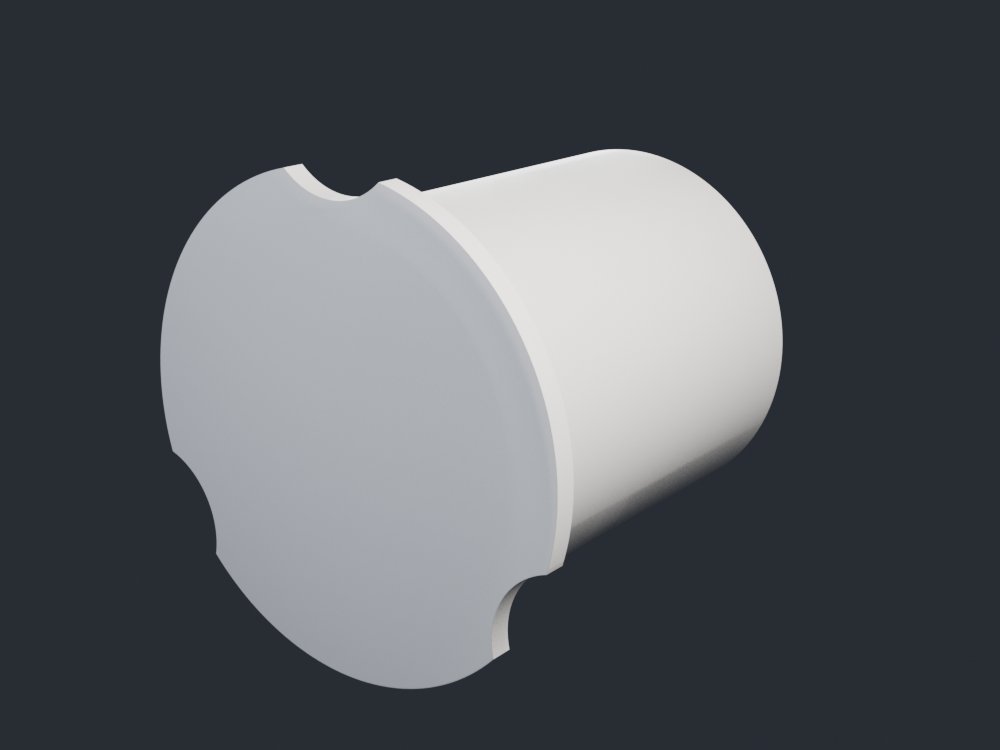
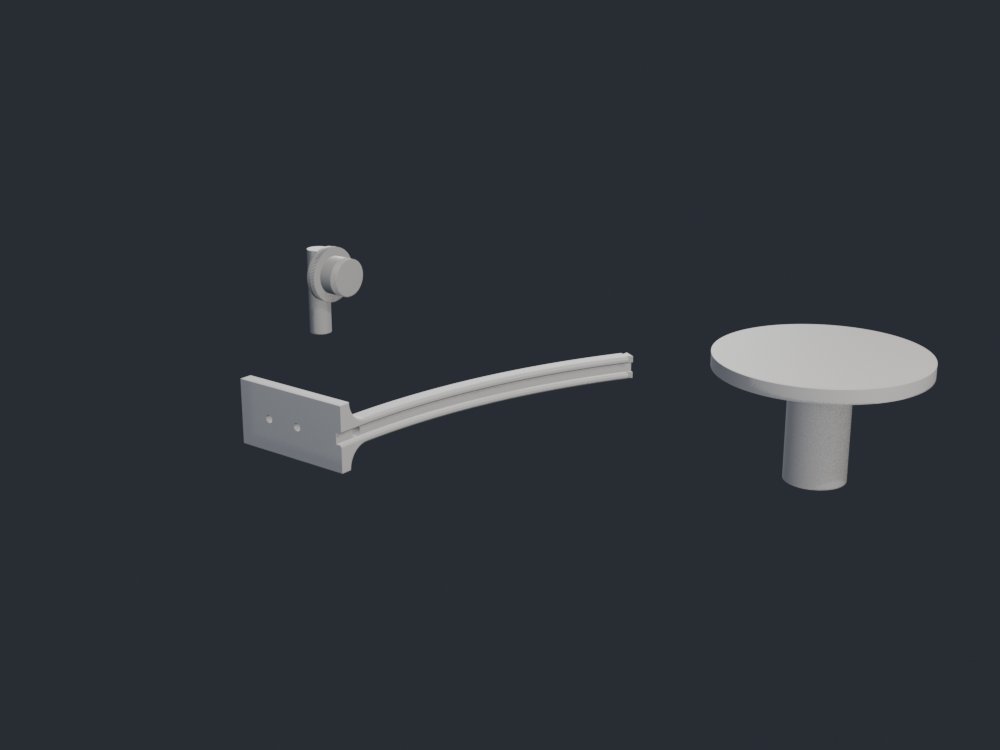
The rest of the backlog — jigs, holders and one-offs still waiting for photos.
Product
A knife-sharpening system I designed and build in the shop. A 3D-printed guide holds diamond or ruby rods at a precise, repeatable angle — 15°, 17° or 20° — so an edge comes out consistent every pass. Red and white rod sets; each unit is printed, assembled and tested by hand.
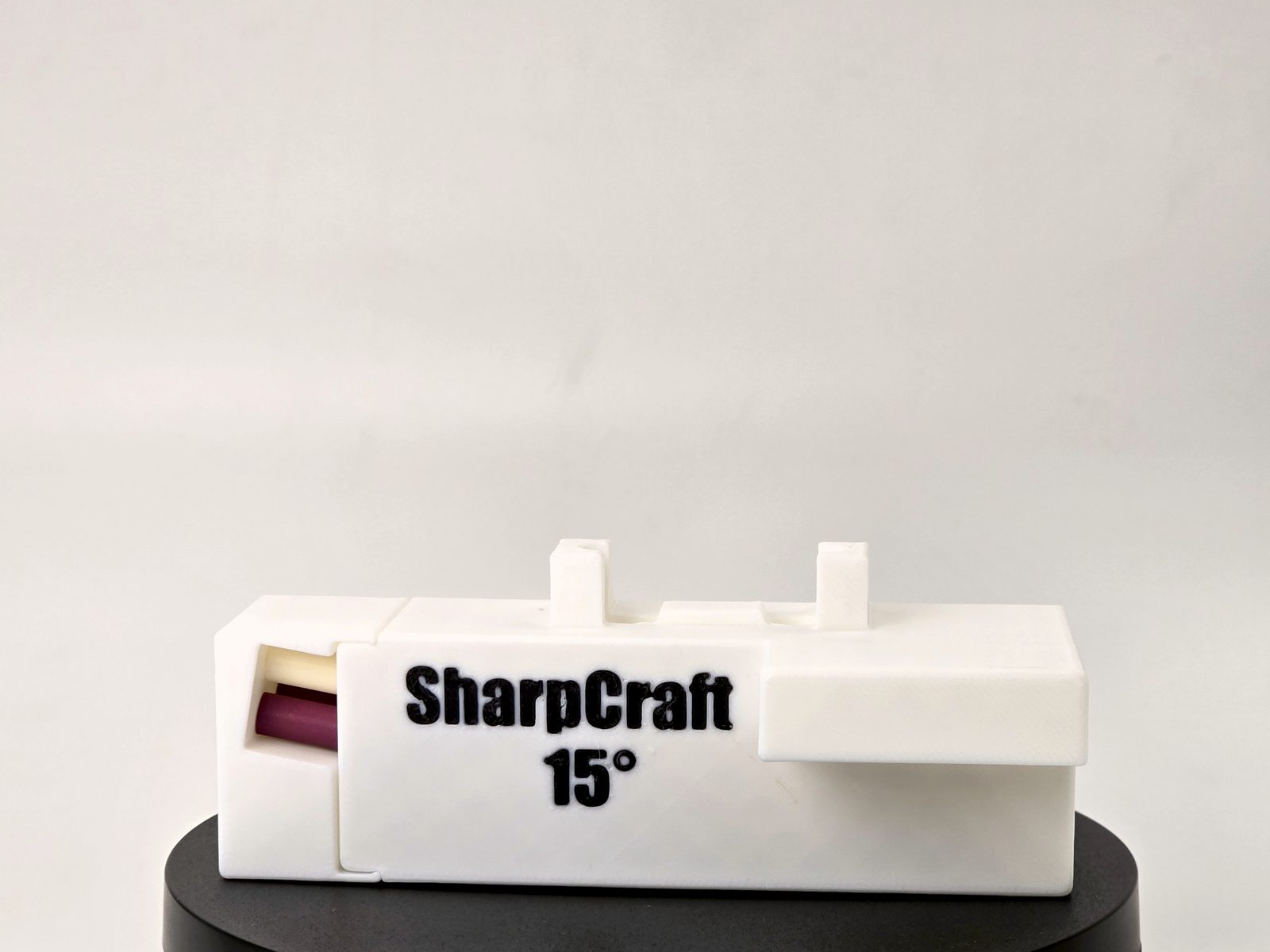
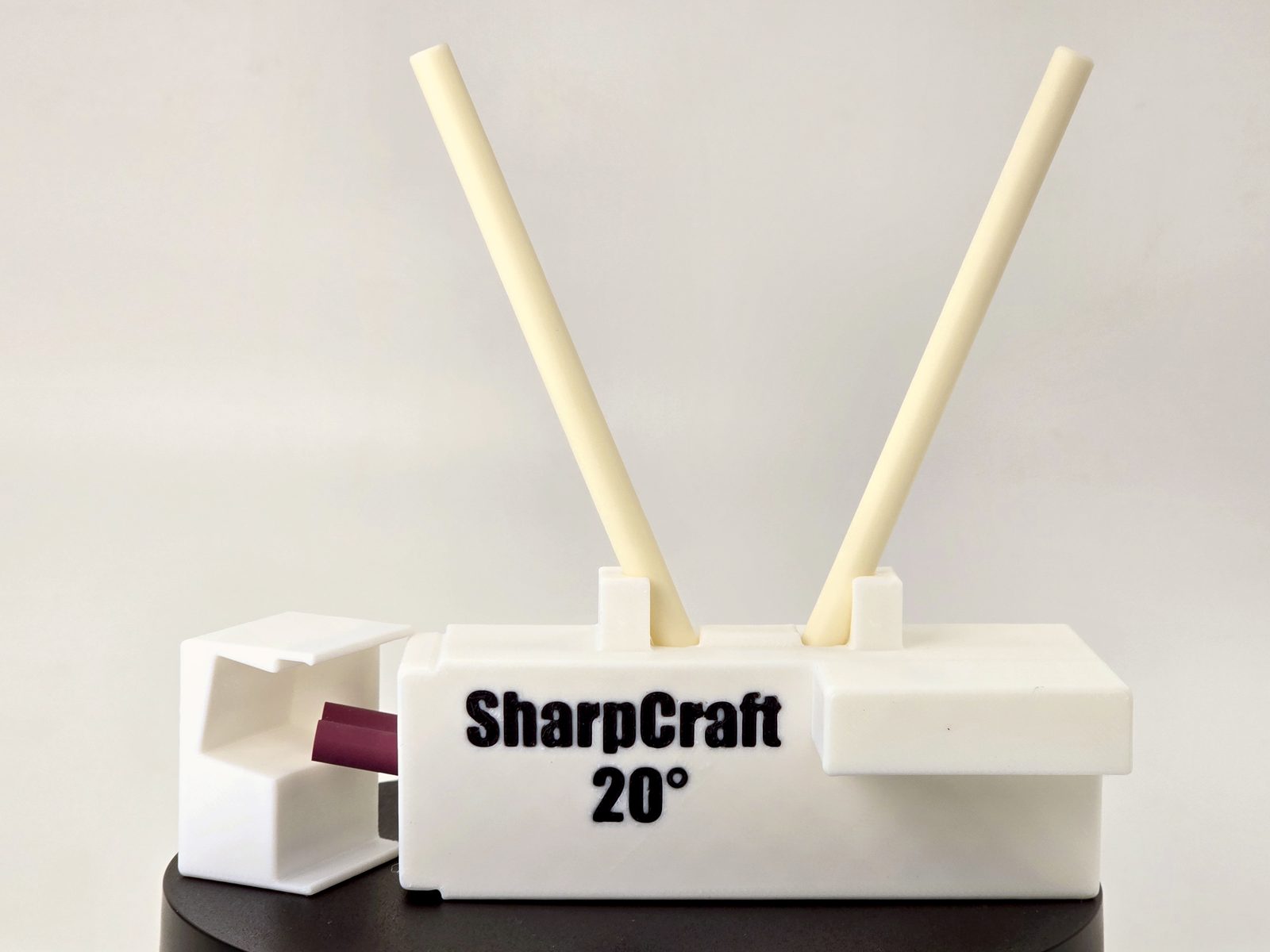
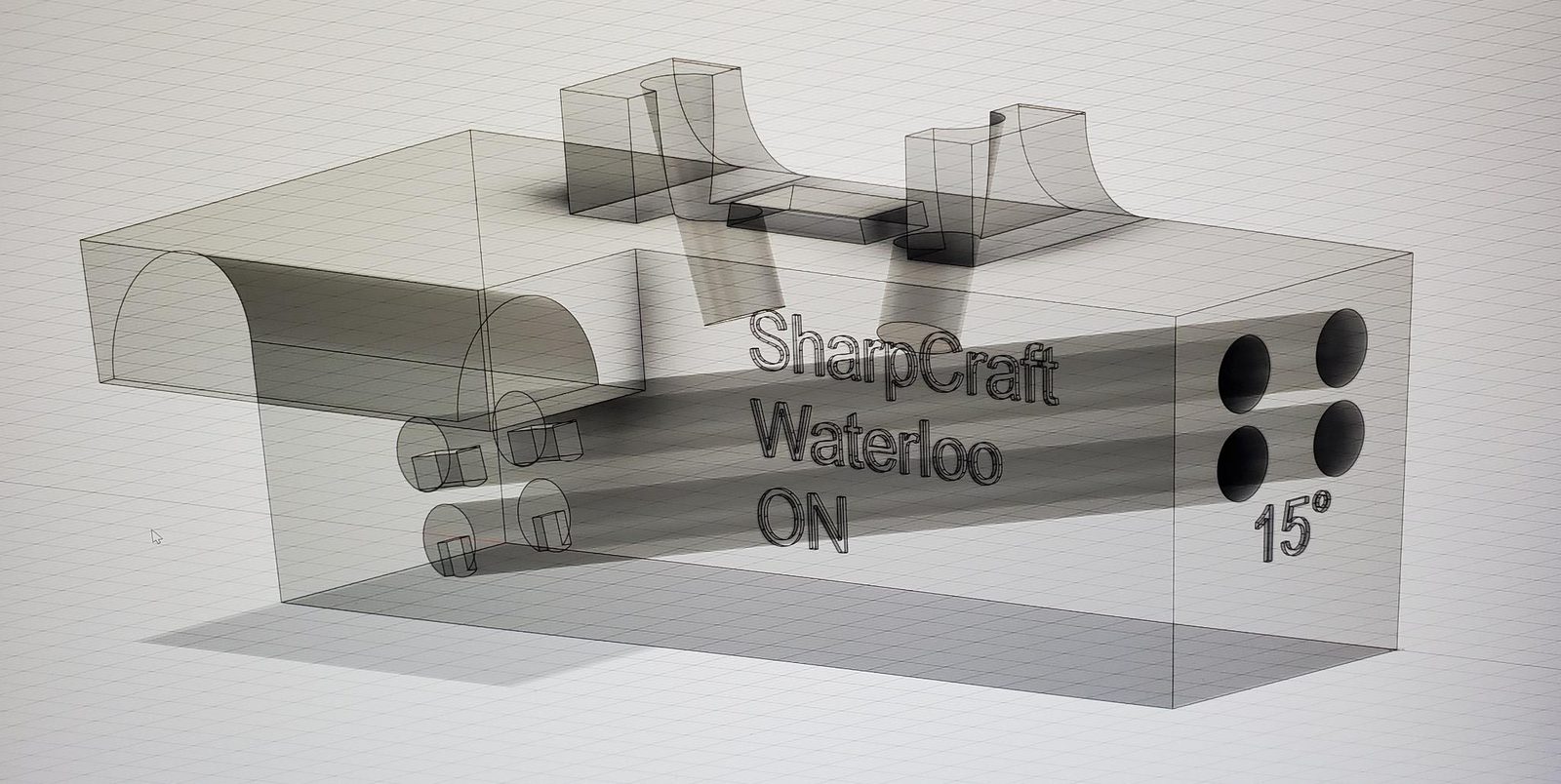
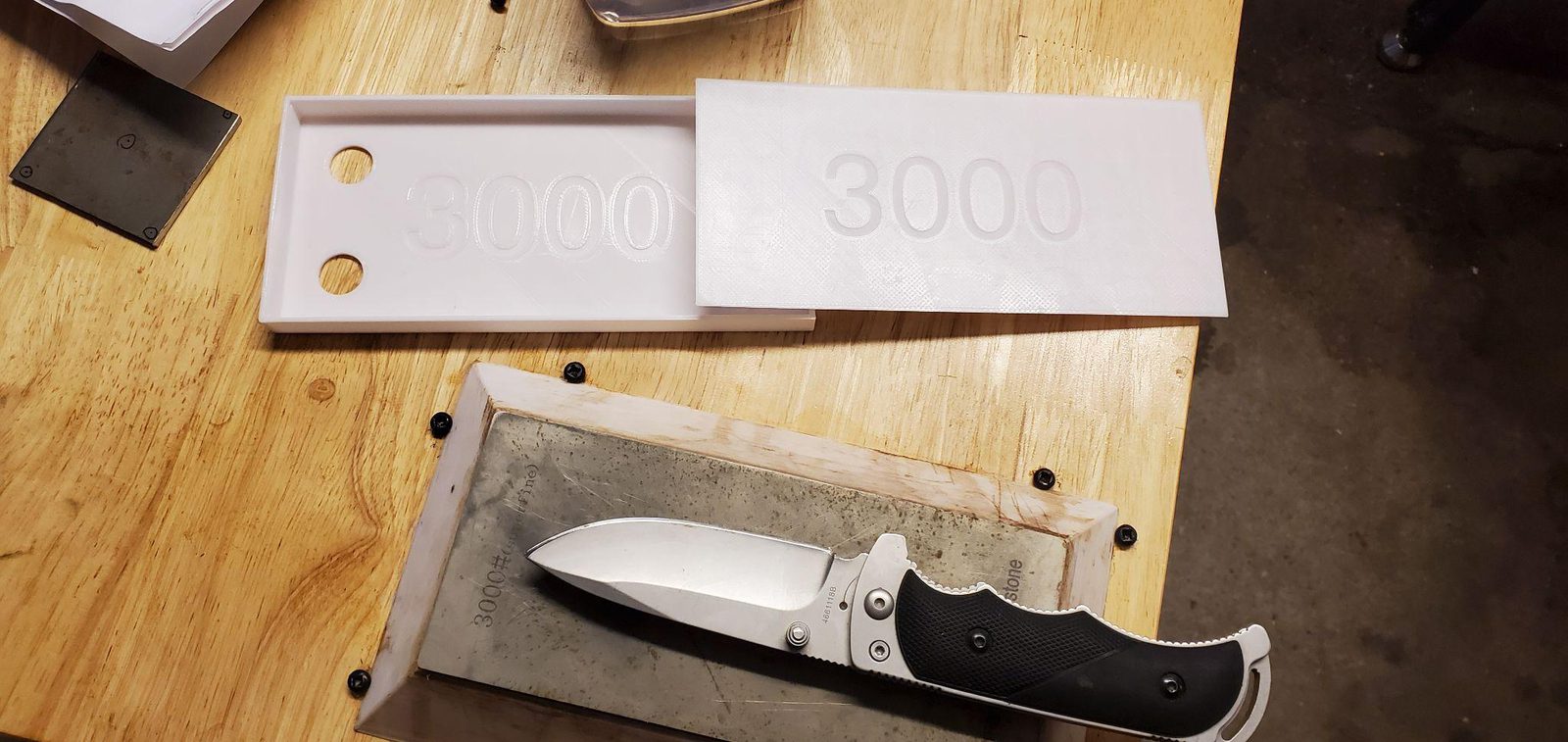
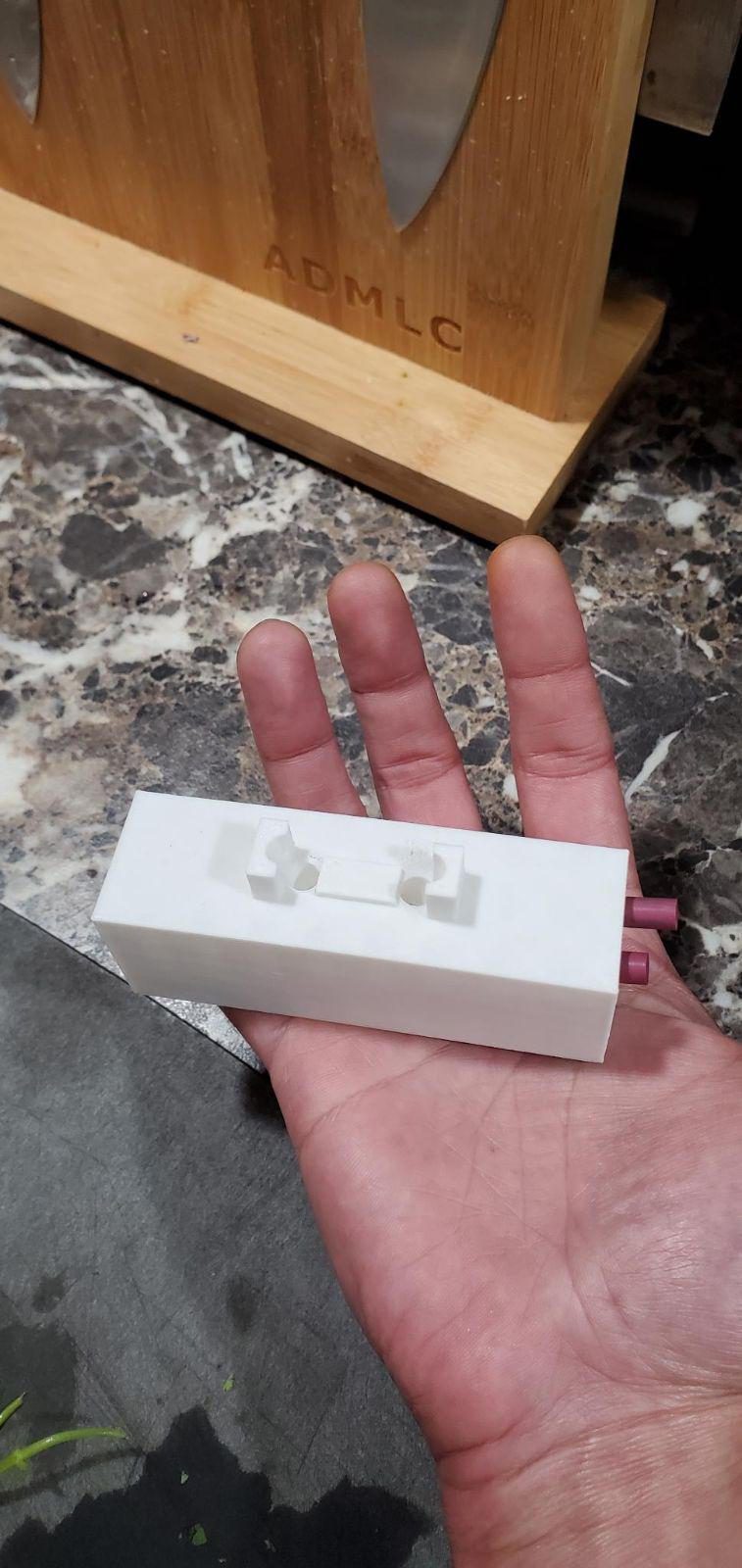
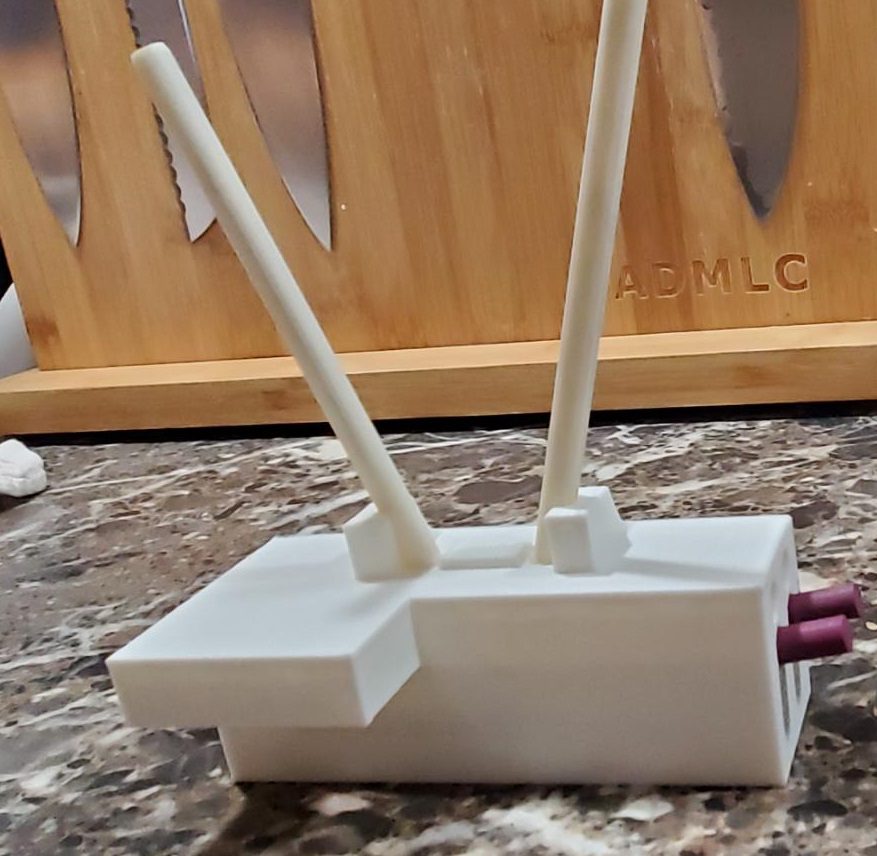
Modeled in CAD, printed on the Kobra, tuned at the bench — then it sharpens knives.
Contact
Open to simulation & automation consulting, and to interesting maker / product collaborations. If you have a warehouse that needs modeling — or an idea that needs building — say hi.